Physical AI, taught and built.
Machines that see, think and act are going to be everywhere, on this planet and past it. That part is already being settled by economics. The open question is how fast, and its answer is physical: energy, compute, and the loop between them. This is where that gets taught, measured, and built in the open.
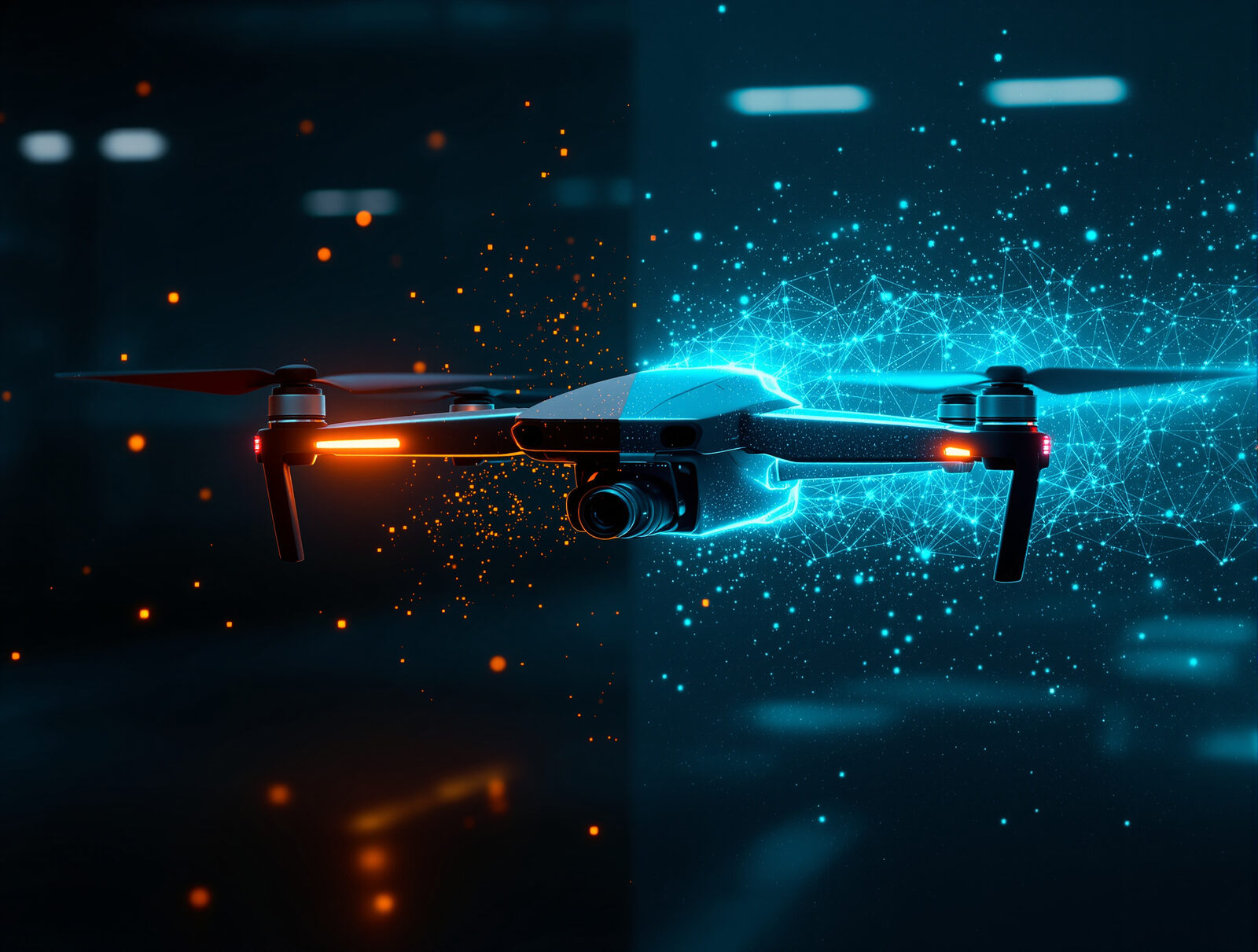
Every physical machine runs one loop.
Perceive, simulate, act, then again, faster than thought. It's the single idea beneath every course, lab, and system here.
It sees.
Cameras, LiDAR, and touch collapse into one picture of the world: depth, objects, and the free space to move through, built on the device in milliseconds.
It predicts.
Before it moves, the machine runs the future in a digital twin, many routes and many rollouts, and keeps the plan that survives contact with reality.
It acts.
Before it commits, the action is checked against the one energy the body descends, a proof it won't diverge, then becomes motion: torque, balance, grip. The world it's moving through changes.
It never stops.
Perceive, simulate, act, then perceive again, many times a second. That closed loop (on the device, certifying each action before it commits) is agency: a body that holds its own boundary, on its own power. Intelligence is the other axis.
Seven doors in.
Learn it, build it, play it, discover it, map it, launch it, or just watch the show. Start wherever you are.
Education
Instructors, courses, and live labs.
Open →
The Lab
Every runnable bench in one place: write code, drive robots, run the physics.
Open →
Play
The Arena and the games: code your way onto the leaderboard.
Open →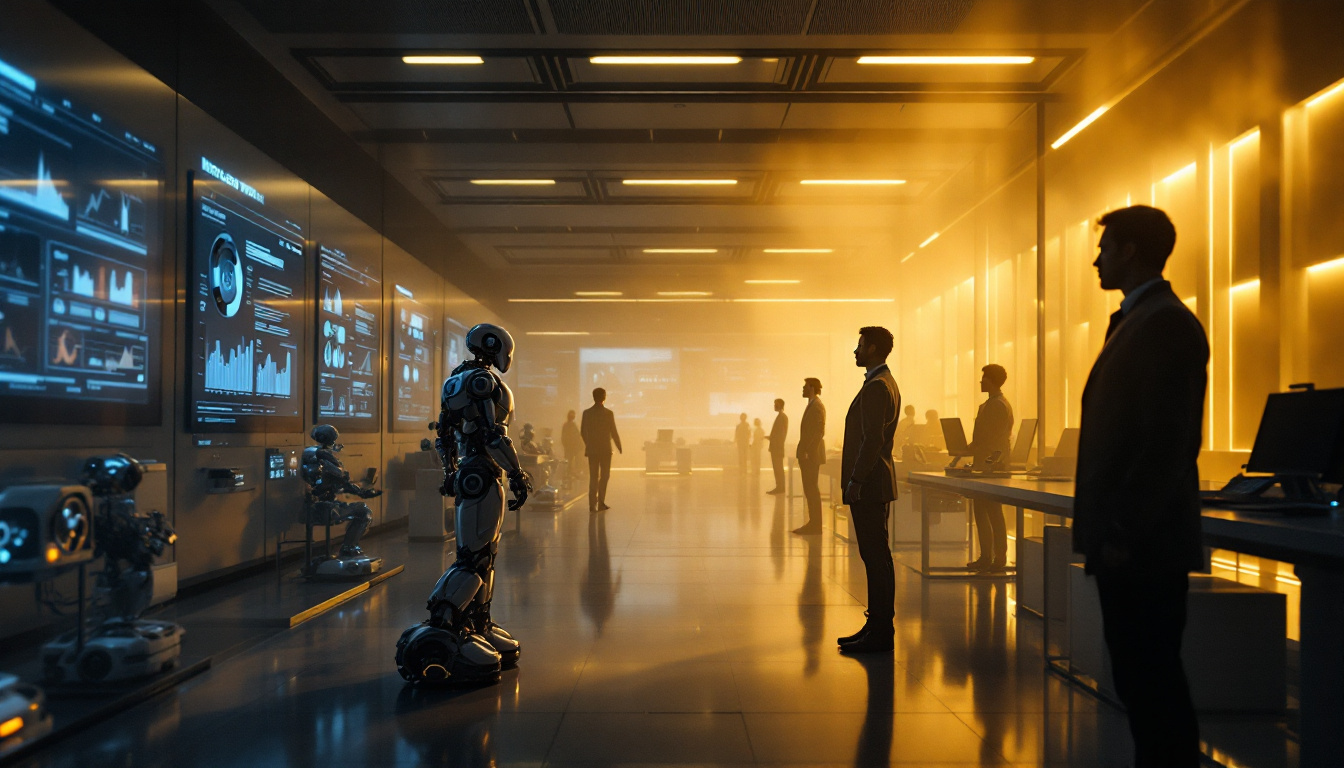
Research
Researchers, projects, and reproducible experiments.
Open →
Intelligence
A living, geographic knowledge map of Physical AI.
Open →
Entrepreneurship
Start a company, get startup-ready, pitch, and get funded.
Open →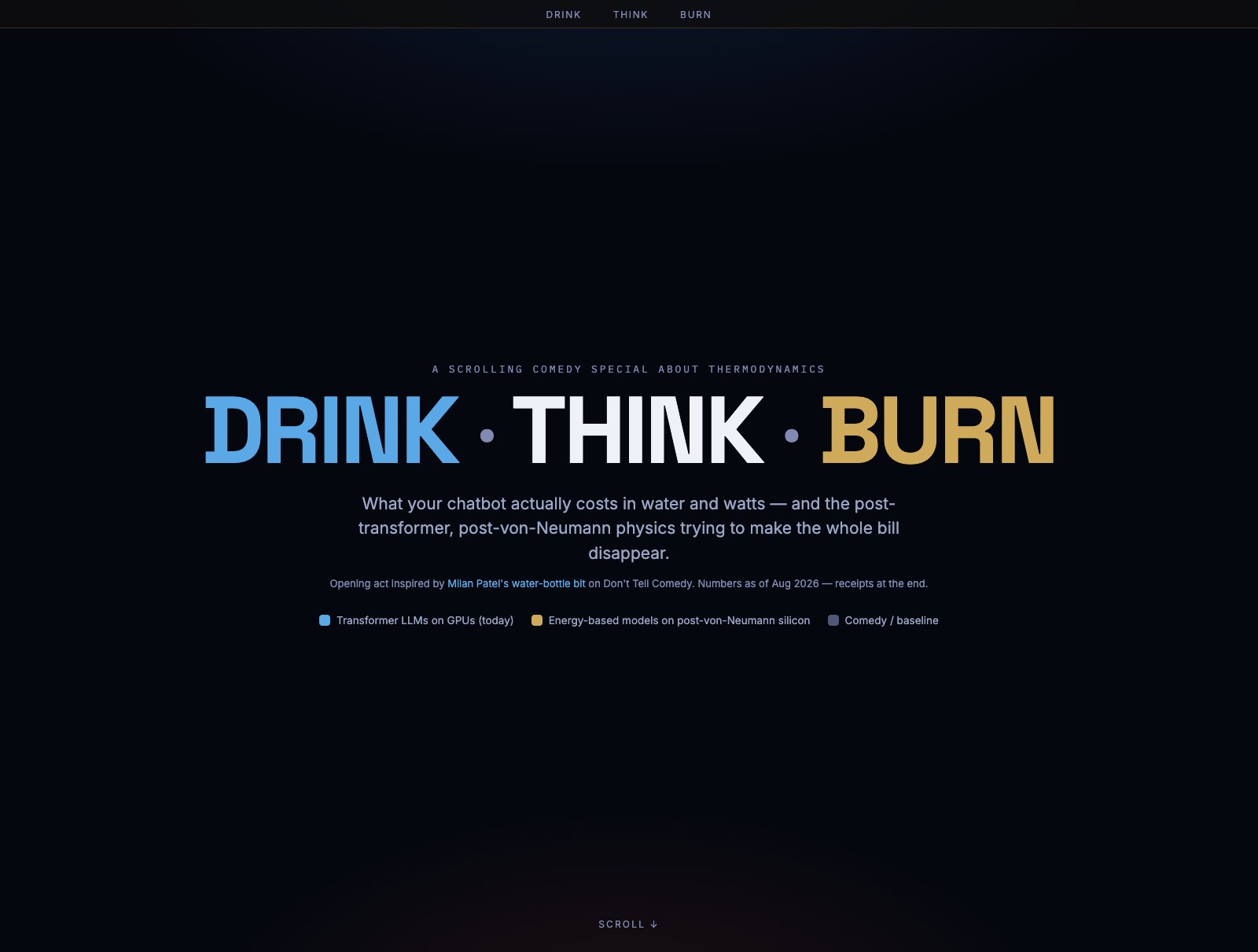
Drink · Think · Burn
A scrolling comedy special about thermodynamics: what a chatbot question really costs, and the physics trying to make the bill disappear.
Open →Looking for something specific? Search all 200 instruments, courses, papers & topics ⌕ →
The work, newest first.
52 papers, 30 courses and 34 research topics, newest first. Drag the row, or use the arrows.
What Do You Type?
The software toolchain of thermodynamic computing, surveyed across five language ecosystems. The hardware argument is settled enough to fund. The interface question, what a person or an agent actually writes and what comes back, is not, and it is now the binding constraint.
What a decision costs
Moving a decision off the generative path saves at most 1/(1−p). The router sets the ceiling.

The Energy Lab
Derive the memory tax yourself, then price the transition
Reading an Energy Claim
Almost every energy figure published about a machine is a property of something other than the machine. Watt-hours describe a pack; hours of runtime d
The Two Operating Systems
A body runs a substrate that acts before any signal is processed and an information system that rides on top. The data thesis scales only the second,
What a Decision Costs: Python to Measure It, Rust to Move It
Answering a decision without generating text costs about a fifth as much, measured at the accuracy the open models publish, and one line of algebra te
Physics-fidelity benchmark
Score whether a model obeys physics, not whether it looks right

Trusting the Mesh: When a Sensor Network Stops Telling the Truth
A sensing system divides a volume into three parts and reports two of them. There is what a sensor reached and read correctly, there is what no sensor

The Physical AI hardware lottery
A robot can hold several right answers at once by learning a landscape instead of a number. That needs an operation today's chips are the wrong shape
The live classroom
An AI teacher draws runnable simulations on a shared board
Where Is the Energy Reporting?
Embodied energy is measured in the research literature and is being standardised for the industrial arm. It is reported nowhere a buyer, an operator or a regulator can act on. The binding constraint is disclosure, not instrumentation, and that makes it a qualification problem before it is an engineering one.
The Cost of the Loop: What a sense is worth, and how many runs before a difference is real
PAI-320 establishes what a body carries below its first transducer. This course prices it. You will put a joule figure against each of four sensor cha
Sim to Real: the road to physical agency
Four walls stand between a policy that works in simulation and one that works on a body. What the record measures at each, read in twenty-three langua
Forge
Describe a robot, simulate it, then teach it to walk in your browser
The Two Operating Systems: What a Body Carries That No Dataset Contains
Companies and academic centres are converging on the view that a sufficient volume of recorded experience will unlock Physical AI, and the strongest e
Six Ways a Body Cheats
The mechanisms human movement uses to make acrobatics affordable, five of them priced against an identified power model, and the four predictions of ours that the pricing falsified.
The portable core
Energy that ships to its load needs a crew that is not there. The world is building that autonomy; this review did not locate work on the layer that l
The global energy database
Eighty-five claims, each with its verification grade
The Hardware Lottery: Energy-Based Models and Post-von-Neumann Architecture
In 2020 Sara Hooker described a mechanism she called the hardware lottery: a research idea advances partly because it suits the available hardware, an
Harnessing energy observability
A machine's power draw reports what it actually did, not what its software says it did. How far that report reaches is decided by the body it is measu
The Unknown Fraction
Agricultural sensing reports what it measured. It does not report what it could not see. Three instruments over three unrelated physics find the same division, and four industries already pay for the quantity none of them computes.
Pilot
Drive an embodied policy with a real controller

RELAX/1
Ten operations, an MLIR and NIR-style exchange form, and a lowering matrix across substrates.
The Unattended Plant: Energy That Ships, Intelligence That Crews It
Portable nuclear is the first energy technology that moves to its load instead of tethering the load to a grid, and a plant too small to carry a round
Can a machine prove it is itself?
A drivetrain carries a manufacturing signature you can measure. Priced in bits it buys verification, and it does not buy a cryptographic key.
What a Machine Spends Looking
Task energy on a body is reported as compute against everything else. Sensing is measurable on the same meter, is not separated, and how large it has to be is set by the body before any perception exists.
OER/1 and DRIFT/1
A receipt schema for energy claims, and a benchmark protocol for learning under drift.
Joules per Punch
Where the energy of a humanoid strike goes, why a segmented spine costs more than one waist joint at every demand both can meet, and why it is still the only body that throws the hardest strike.
All publications →All coursesAll researchSearch everything ⌕
The software behind the lessons.
Physics simulation, CAD, and compiled firmware: the engines each course runs on. Open one to try it.
Robot control
Write a control loop and a real differential-drive robot drives to the goal on DeepMind's MuJoCo physics.
MuJoCo · PythonTry it live →Visual programming
Snap blocks together. They become real Python that drives the same robot.
Blockly → PythonTry it live →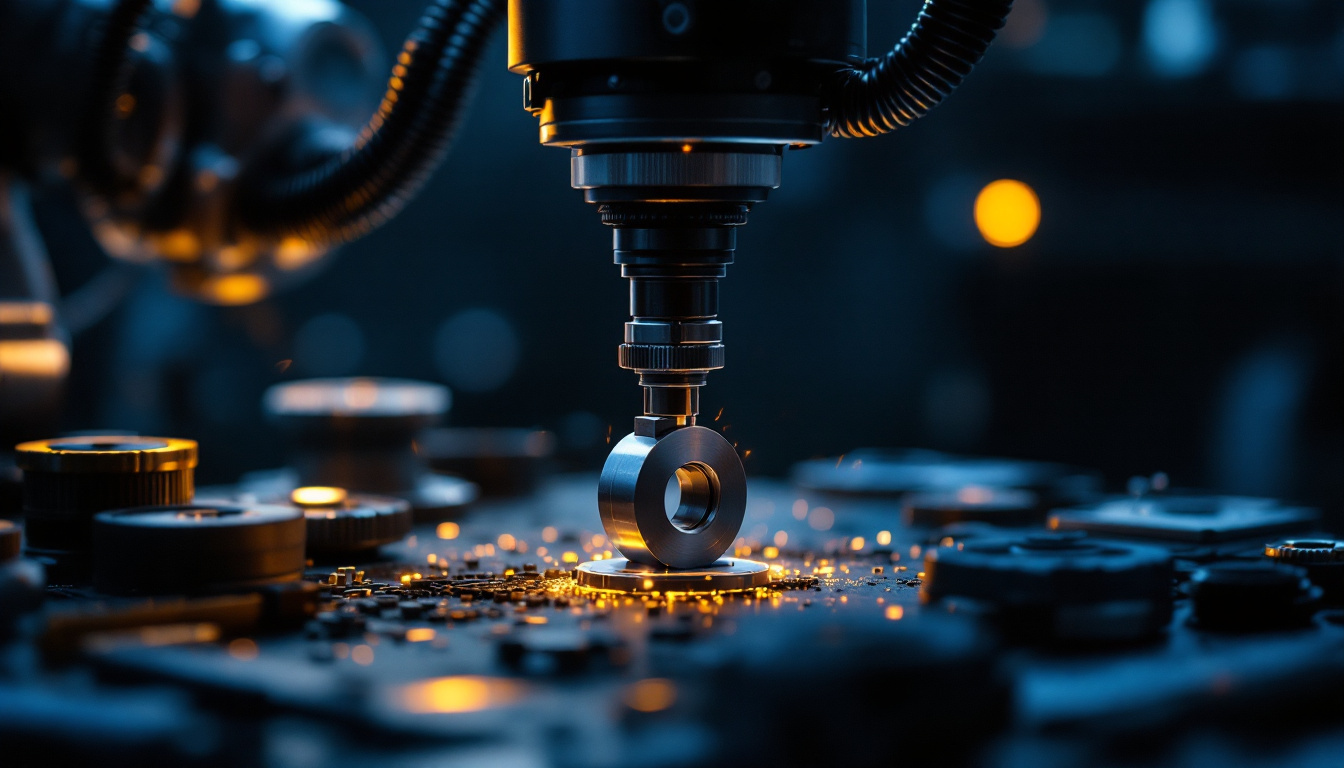
Parametric CAD
Model a part in code on the actual OpenCascade kernel engineers use, and watch the solid render.
build123d · OpenCascadeTry it live →
Embedded Rust
Write no_std firmware; it compiles in the cloud to WebAssembly and runs as the robot's real control loop.
Rust → WASM · edge-compiledTry it live →Device physics
Tune a mechanism's parameters and watch real physics settle it to spec.
MuJoCo · MJCFTry it live →Factory twin
Balance a virtual production line (bottlenecks, throughput, cost) as a live simulation.
Discrete-event simTry it live →Train, research, and partner with us.
The Institute for Physical AI is an autonomous division of the John Bailey Institute, a 501(c)(3) aviation-education nonprofit. Explore the Institute, its programs, and how to support the mission.